
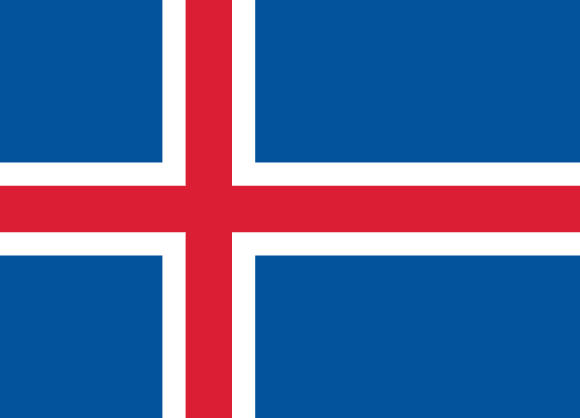
 Iceland
Reykjavík is the capital and largest city of Iceland. It is located on the southern shore of the Faxaflói bay in southwest Iceland and has a latitude of 64°08′ N, making it the world's northernmost capital of a sovereign state. Reykjavík has a population of around 140,000 as of 2026, and the surrounding Capital Region has a population of around 252,000, constituting approximately 64% of Iceland's population. According to Landnámabók, the settlement of Iceland began in Reykjavík when Ingólfur Arnarson arrived from Norway in the year 874.
Source: Wikipedia (CC BY-SA)
Places in Reykjavik
We are collecting fresh places for Reykjavik right now. Check back in a few minutes.
Plan your days in Reykjavik
Your Reykjavik day plan
Grouped by neighbourhood, lunch included. Built from places we verified recently.
How many days?
Longer trips (up to 10 days): part of Pro
2 days · Balanced · about 8 stops
Standard plan shown. Sign in (free) to build your own.
Climate in Reykjavik
Best time to visit: Jan, Jul–Aug
Average temperature
0°Jan
0°Feb
0°Mar
3°Apr
6°May
9°Jun
11°Jul
11°Aug
8°Sep
5°Oct
2°Nov
0°Dec
Crowd level (0–5)
1Jan
1Feb
2Mar
3Apr
4May
5Jun
5Jul
5Aug
4Sep
4Oct
2Nov
2Dec
Flights to Reykjavik
Compare fares and price history from the biggest departure cities.
- Boarding pass№ 01
From
London
To
Reykjavik
Compare fares
Track the price · free alerts
- Boarding pass№ 02
From
Berlin
To
Reykjavik
Compare fares
Track the price · free alerts
- Boarding pass№ 03
From
Madrid
To
Reykjavik
Compare fares
Track the price · free alerts
- Boarding pass№ 04
From
Athens
To
Reykjavik
Compare fares
Track the price · free alerts
- Boarding pass№ 05
From
Rome
To
Reykjavik
Compare fares
Track the price · free alerts
- Boarding pass№ 06
From
Paris
To
Reykjavik
Compare fares
Track the price · free alerts
- Boarding pass№ 07
From
Vienna
To
Reykjavik
Compare fares
Track the price · free alerts
- Boarding pass№ 08
From
Bucharest
To
Reykjavik
Compare fares
Track the price · free alerts
Questions about Reykjavik
The most pleasant months are Jan, Jul to Aug, with comfortable temperatures and lighter crowds. Right now it averages about 2°C in November.
We are collecting fresh places for Reykjavik. Check back soon for photos and opening hours.
You can fly into Keflavik International Airport, Reykjavík Domestic Airport. Use the flight links on this page to compare fares and set a price alert.
Most visitors enjoy 2 to 3 days. Use the route builder below to get a day-by-day plan that groups sights by neighbourhood and includes lunch.